Endometriosis occurs when tissues similar to the lining of the uterus grow outside it, often in areas like the uterus's outer surface, ovaries, fallopian tubes, or intestines. Around 10% of women of reproductive age, 2-4% of perimenopausal women, and up to 50% of women with infertility are affected by it.
Treatments for endometriosis are limited. The dissatisfaction with available therapies to resolve continued pain has led to an interest in exploring alternative options, such as an endometriosis diet.
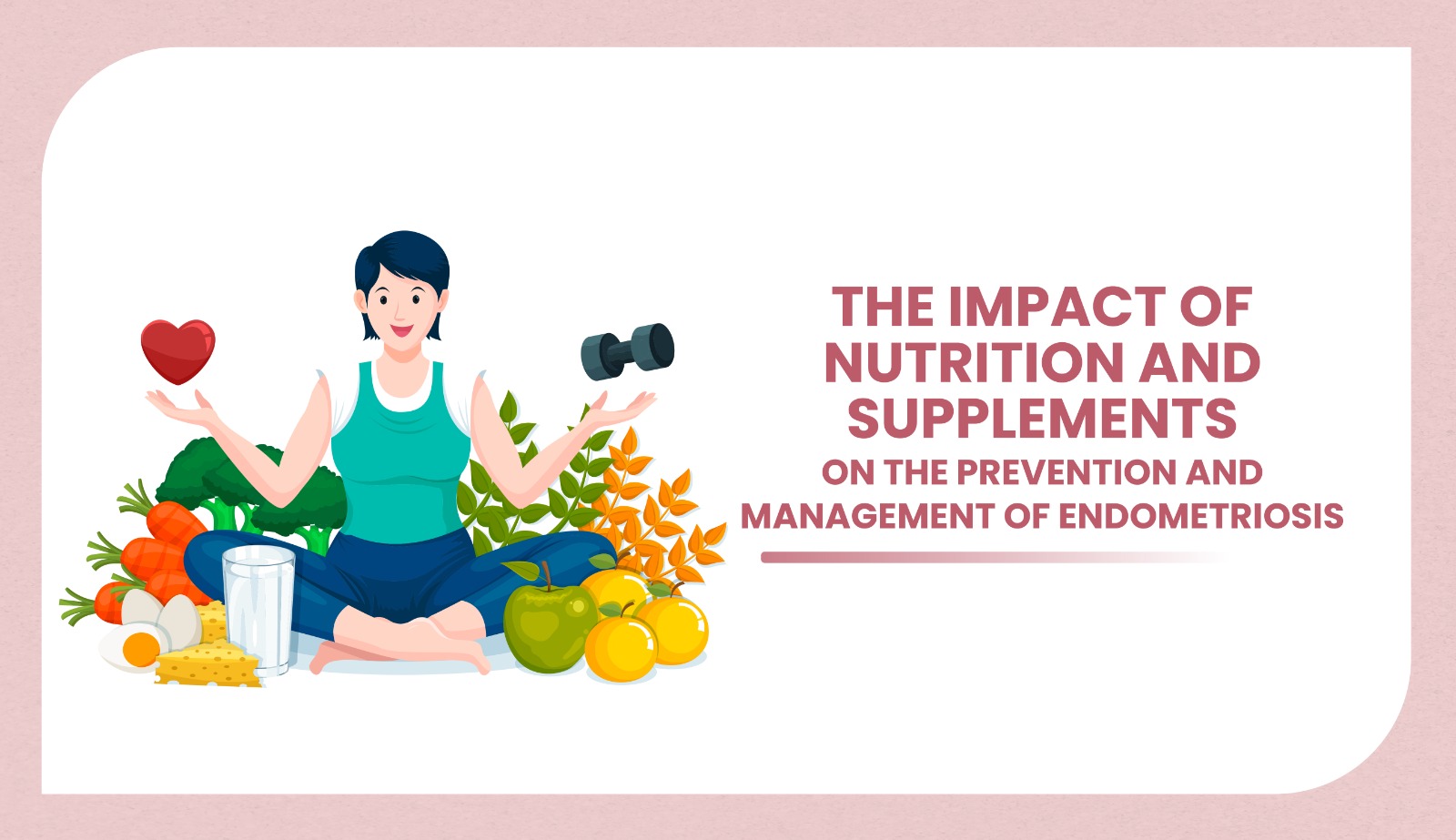
This blog will dive deep into every minute aspect of the role of diet, nutrition and supplementation in endometriosis management.
The role of estrogen in endometriosis
Endometriosis depends on a hormone called estrogen. Estrogen works through two special receptors in the body: ERα and ERβ. These act like "switches" that control how cells grow. Typically, ERα is more active, but in women with endometriosis, the ERβ is more active than the ERα. This worsens the condition by causing inflammation, faster cell growth, slower cell death, and more pain.
A type of estrogen called 17β-Estradiol (E2) is especially important in endometriosis. It is made in the abnormal tissue and also comes from the bloodstream. E2 helps the endometriotic tissue grow by activating these "switches."
Estrogen can also increase pain and inflammation by working with molecules like IL-6 and activating certain cells in the body. Some leftover products of estrogen (called metabolites) can add to this pain.
Finally, when there's an imbalance between estrogen and another hormone called progesterone, it can make endometriosis worse by encouraging the abnormal tissue to grow and cause more inflammation.
The role of estrogen derivatives in endometriosis
Estrogen is crucial for the development and progression of endometriosis. As a result, estrogen derivatives can influence this condition, making it important to understand their effects for an effective treatment. Following an endometriosis diet can help manage symptoms alongside medical treatments.
Impact of Phytoestrogens
Phytoestrogens are plant-based compounds that resemble estrogen and are found in certain foods. The effects of phytoestrogens on endometriosis may have either positive or negative impacts depending on factors such as the type and amount consumed, individual metabolism, and overall dietary habits.
Phytoestrogens interact with estrogen receptors (ERα and ERβ), showing a preference for ERβ. They can mimic estrogen's effects (estrogenic) or inhibit its actions (anti-estrogenic). Furthermore, they may affect the body's natural estrogen production by influencing the activity of enzymes involved in estrogen metabolism or hormonal balance.
There are three main types of phytoestrogens:
1. Isoflavones
Primarily found in soy products such as soybeans, tofu, and soy milk.
2. Lignans
Abundant in flaxseeds and sesame seeds and in cereals, vegetables, fruits, and beverages.
3. Coumestans
Less common, found in legumes and sprouts
While phytoestrogens have the potential for managing endometriosis, their effects can differ from person to person, emphasizing the importance of careful monitoring and personalized dietary advice.
Impact of Xenoestrogens
Xenoestrogens are synthetic substances present in our environment that imitate the effects of natural estrogen. These compounds can be found in various products, including plastics, cosmetics, pesticides, and herbicides. They have the potential to disrupt hormonal balance and may lead to health problems, such as endometriosis.
By binding to estrogen receptors, xenoestrogens can enhance estrogen activity, which might encourage the growth of endometrial tissue outside the uterus. This can exacerbate the inflammation and pain linked to endometriosis. These compounds may also interfere with the immune system's ability to manage this abnormal tissue, possibly affecting the disease's progression.
While further studies are necessary to establish a direct connection between xenoestrogens and endometriosis, reducing exposure can aid in endometriosis symptom management. However, minimizing xenoestrogen exposure should be paired with medical treatment, lifestyle modifications, and an endometriosis meal plan for optimum benefits..
The role of microbiome in endometriosis
Before understanding how diet can help reduce endometriosis symptoms, it is crucial to understand the human microbiome. The human microbiome, composed of bacteria, viruses, fungi, and other microorganisms, is essential for many bodily functions like immunity, digestion, and metabolism. When the microbiome is out of balance (dysbiosis), it can lead to health problems, including endometriosis. Diet can affect the microbiome, and changing what we eat can help improve overall health.
Women with endometriosis may have more harmful bacteria in their microbiome than women without the condition. For example, certain infection-causing bacteria like Escherichia, Enterococcus, and Tepidimonas are found in higher amounts in the vaginal microbiome of women with endometriosis.
Fusobacterium, a bacteria linked to infections, is present in the endometrial tissue of these women, suggesting it might play a role in the condition. However, more research is needed to understand how the microbiome contributes to endometriosis fully.
The gut microbiome, in particular, can affect estrogen levels. It helps break down estrogen into its active forms, but this process can be disrupted in endometriosis. An imbalance in the gut microbiome can lead to higher levels of active estrogen, which may worsen endometriosis symptoms by encouraging tissue growth.
The role of diet and nutrition in managing endometriosis
The big question: "Can diet prevent endometriosis progression?" Endometriosis is a chronic condition driven by hormonal imbalances and inflammation. Dietary choices can affect inflammation, estrogen levels, and the microbiome.
While more studies are needed, choosing the right foods to eat and avoid for endometriosis sufferers can impact the development and management of endometriosis.
Let us look at each aspect of nutrition in detail:
Antioxidants
Antioxidants play a crucial role in safeguarding the body against damage from harmful molecules known as reactive oxygen species (ROS). In women suffering from endometriosis, there tends to be a lower level of antioxidants, which increases susceptibility to oxidative stress. This stress can promote the growth of endometriosis tissue, leading to heightened inflammation.
These antioxidants may help alleviate endo symptoms:
Curcumin
Curcumin is a compound found in turmeric, a plant from the ginger family. It has been studied for its strong anti-inflammatory and antioxidant effects. Curcumin helps reduce the growth of endometrial cells by lowering the levels of a hormone called Estradiol. It also reduces the production of certain harmful substances (IL-6 and IL-8) triggered by inflammation in endometriotic cells.
N-acetyl-cysteine (NAC)
NAC is a substance that helps produce the powerful antioxidant glutathione, which plays a key role in protecting cells from damage. It is found mainly in onions and is used to treat various health issues. Women with ovarian endometriosis who take NAC may experience smaller cysts and reduced pain compared to those who don’t.
Additionally, NAC supports methylation and detoxification by helping the body process and eliminate toxins, excess estrogen, and inflammatory byproducts. This, in turn, promotes liver function, balances hormones, and may contribute to overall symptom relief in endometriosis.
Alpha Linolenic Acid (ALA)
ALA is a natural compound with antioxidant properties. It is found in many foods like meat, vegetables, and fruits. More human studies are needed to confirm its effect in reducing inflammation and oxidative stress in endometrial tissue in women with endometriosis.
Resveratrol
Resveratrol is a compound found in grapes, peanuts, and berries. It has anti-inflammatory and antioxidant properties, which may help reduce the growth of endometriotic tissues. It may reduce pain and tissue growth in women with endometriosis
Quercetin
Quercetin is a powerful antioxidant in apples and berries. It has been shown to reduce inflammation and slow the growth of endometrial cells. Quercetin and other treatments like metformin may help reduce endometrial tissue growth and pain.
Foods containing these compounds may work as the best anti-inflammatory foods for endometriosis sufferers, making it a potential treatment for endometriosis.
Vitamins
Getting the right nutrition for endometriosis management is key for pain relief:
Vitamins C and E
Vitamins C and E are antioxidants that may benefit endometriosis patients. Vitamin C supports enzyme function, hormone synthesis, and tissue repair, while vitamin E has anti-inflammatory and antiangiogenic(reducing the growth of new blood vessels) properties. Vitamin C is found in many fruits and vegetables like guava, strawberries, and broccoli, while Vitamin E is found in nuts, oil seeds, egg yolk, and olive oil.
There is ambiguity regarding their effectiveness, but combining both vitamins may help reduce oxidative stress and inflammation. However, a study showed that women with endometriosis who supplemented or added foods rich in vitamins C and E daily had less pain after eight weeks.
Vitamin D
Vitamin D may shrink endometriotic lesions and lower the levels of inflammatory molecules, reducing pelvic pain associated with the condition. Low vitamin D levels are linked to more severe endometriosis symptoms. However, not all research agrees on its effects, particularly in adolescent patients. Adding supplements or vitamin D-rich foods like mushrooms, cereals, fatty fish may help with symptom reduction.
Vitamin A
Limited studies have explored the role of vitamin A, especially its active form, all-trans-retinoic acid (ATRA). ATRA may inhibit the growth of endometrial tissue and reduce inflammation by targeting specific cellular pathways. It may also lower hormonal activity linked to endometriosis progression. While its potential is promising, more studies are needed to confirm these findings.
Dietary sources of Vitamin A include mango, grapefruit, passionfruit, apricot, sweet potato, pumpkin, spinach, kale and tomatoes.
Vitamin B9
Folate, or vitamin B9, is essential for cell growth and repair. However, too much folate can have harmful effects, especially in women with endometriosis. A study found that a high intake of synthetic folate could increase the risk of ovarian cancer in these women. This may be due to changes in the way their bodies process folate.
Spinach, kale, broccoli, brussels sprouts, lentils, chickpeas, citrus fruits, fortified breakfast cereals, peas, asparagus are rich in this nutrient.
Macroelements
Macroelements, also called macrominerals, are essential for overall health and can affect endometriosis.
Here are details of how each macroelement benefits patients with endometriosis:
Calcium
Calcium is essential for bone health, muscle function, nerve signaling, and blood clotting. It also helps regulate hormones and enzymes. Proper calcium levels may reduce inflammation and support overall reproductive health.
Dairy products (A2 milk), leafy greens (kale, collard greens, broccoli), fortified plant-based milk (almond, oat), and fish with bones (sardines, salmon) are rich in calcium.
Magnesium
Magnesium helps relax muscles, supports nerve function, regulates blood sugar, and reduces inflammation. Its muscle-relaxing properties can ease menstrual cramps and pelvic pain.
Magnesium is found in leafy greens (kale, spinach, arugula), legumes (black beans, edamame), nuts and seeds (almonds, pumpkin seeds), and whole grains (quinoa, brown rice, dark chocolate). These endometriosis-friendly foods for pain relief alleviate endo-symptoms, a huge challenge for endo warriors.
Sodium
Sodium maintains fluid balance, supports nerve impulses, and helps regulate muscle contractions. Excess sodium can worsen inflammation and water retention, so moderation is key for symptom management.
Table salt (used sparingly), seafood (shrimp, fish), vegetables (celery, spinach) are good sodium sources.
Potassium
Potassium regulates fluid balance, muscle contractions, and nerve signals. It can counteract the effects of high sodium. Helps reduce bloating and fluid retention, which are common symptoms of endometriosis.
Make bananas, avocados, sweet potatoes, beans, lentils and oranges a part of your diet for endometriosis to derive maximum benefits of this macroelement.
Phosphorus
Phosphorus is important for healthy bones and teeth, energy production, and cell repair. It supports overall energy levels, helping to combat fatigue often associated with the condition.
A2 dairy products, grass fed meat, free range poultry, wild caught fish, whole grains, nuts, and seeds are rich sources of phosphorus and may be included in the endometriosis diet.
Sulphur
Sulphur is a component of certain amino acids and vitamins. It helps with detoxification and collagen production. Sulphur-rich foods may support liver function, helping the body process and eliminate excess estrogen.
Cruciferous vegetables (broccoli, cabbage, cauliflower), garlic and onions, eggs and legumes are rich in sulphur. These foods may be accommodated in your endometriosis meal plan for better results.
Balancing these elements is important for managing symptoms like pain, inflammation, bloating, and fatigue. However, factors like diet, malabsorption, and treatments for endometriosis can impact their levels. A well-planned diet for endometriosis, possibly with supplements under medical guidance, helps maintain these nutrients.
Microelements
Microelements, also known as trace minerals, are required in smaller amounts but are vital for maintaining hormonal balance, immunity, and cell health, all of which can affect endometriosis.
Here’s how these microelements affect endometriosis:
Zinc
Zinc is essential for maintaining balance in the body by supporting protein functions and serving as a signaling molecule. It is linked to endometriosis through processes such as epithelial-to-mesenchymal transition (EMT), where cells alter their form and behavior, contributing to the spread of endometriosis.
Additionally, zinc is a component of matrix metalloproteinase(MMP enzymes), which play a role in tissue changes associated with endometriosis. Women with endometriosis often have lower zinc levels, suggesting a potential connection to fertility and oocyte health. Good sources of zinc include shellfish (especially oysters), grass fed meat, free range poultry, beans, nuts, and whole grains.
Copper
Copper is crucial for several enzymes, including superoxide dismutase (SOD) and cytochrome oxidase, which help protect cells from damage and support energy production. It is found in various foods like beans, potatoes, black pepper, prunes, cashews, almonds, oysters, lobsters, mushrooms; a balanced diet usually fulfills the body's requirements.
Copper along with Zinc creates an antioxidant defense mechanism, which helps women with endometriosis. Copper can also function as a "metalloestrogen," mimicking estrogen and affecting hormone-related conditions.
Elevated levels of copper-dependent enzymes, such as AOC3, have been observed in abnormal endometrial tissues, indicating copper's role in oxidative stress and immune responses. Copper levels in the blood and urine of women with endometriosis may be higher. Combining copper with curcumin may have potential therapeutic effects, but copper primarily acts as a carrier rather than an active agent. Reducing copper levels may help inhibit the growth of endometriosis.
Iron
Iron plays a crucial role in DNA synthesis and cell energy production, but it can also lead to oxidative stress when it interacts with oxygen. In cases of endometriosis, iron accumulation is often observed due to retrograde menstruation, which results in heightened oxidative stress. Elevated iron levels have been found in endometrial lesions, peritoneal fluid, and the blood of women suffering from endometriosis.
Additionally,high iron levels may be associated with symptoms such as painful periods (dysmenorrhea), adhesions, and potentially the transformation of endometriotic lesions into malignant forms. However, there may be no significant difference in dietary iron intake between women with and without endometriosis. Good sources of iron include grass fed meats, free range poultry, wild caught fish, dark green leafy vegetables, beans, and lentils.
Selenium
Selenium is an important element in proteins known as selenoproteins, which help manage oxidative stress. The enzyme glutathione peroxidase, which depends on selenium, may assist in controlling oxidative stress in endometriosis. Lower selenium levels in the follicular fluid of women with endometriosis could be related to infertility.
Selenium's antioxidant properties, through its involvement in glutathione peroxidase, may help mitigate oxidative damage, but further research is necessary to clarify its specific role in endometriosis. Foods rich in selenium include brazil nuts, seafood, eggs, and sunflower seeds.
Manganese
Manganese is vital for several enzymes that support energy production, antioxidant defense, and other essential functions. In endometriosis, manganese-dependent superoxide dismutase (Mn-SOD) activity is reduced, which may impair the body's ability to handle oxidative stress.
Nevertheless, manganese levels in blood and urine do not seem to differ significantly between women with and without endometriosis. Manganese can be found in whole grains, nuts, legumes, and leafy vegetables.
Nickel
Nickel is present in foods such as whole wheat, breads, chocolate powder, milk powder, processed foods, peanuts, soy products, shellfish, tea, certain green vegetables, licorice and water. Women with endometriosis may experience higher rates of nickel allergy, which could exacerbate symptoms like pain and inflammation.
A low-nickel diet has shown some potential in alleviating symptoms for women dealing with both endometriosis and nickel allergy, but more research is necessary to understand nickel's role better.
Chromium
Chromium's involvement in glucose metabolism might indirectly affect endometriosis, but its relationship with the disease remains unclear. Whole grains, broccoli, and grass fed meats are excellent sources of chromium.
Fats
Fats can be divided into animal-based and plant-based types. On a molecular level, fats consist of omega-3 and omega-6 polyunsaturated fatty acids (PUFAs), saturated fats, and trans fats.
Omega-3 PUFA and omega-6 PUFAs are particularly significant because they can affect inflammation, which is a crucial factor in endometriosis.
Omega-3 Fatty Acids
Omega-3 fatty acids have been the focus of extensive research due to their anti-inflammatory effects. Diets high in omega-3 fatty acids may lower inflammatory markers such as IL-6 and TNF-α, as well as VEGF levels in the body. Furthermore, omega-3 supplementation has been associated with smaller endometriotic lesions and a reduction in the production of molecules like COX-2, which play a role in tissue growth.
Omega-3 fatty acids may also decrease adhesions related to endometriosis by influencing collagen distribution. Including omega-3-rich foods like fish, fish oil, flaxseeds, and chia seeds can be one of the top dietary changes to manage endometriosis naturally.
MCTs (Medium-Chain Triglycerides)
MCTs are healthy fats found in coconut oil, palm oil, and A2 dairy products. Instead of being stored as fat, they are quickly absorbed by the body and used for energy production.
MCTs have anti-inflammatory properties and aid in hormone regulation, which is crucial for managing endometriosis symptoms. They improve gut health by promoting the growth of good bacteria in the gut, reducing inflammation and supporting digestion.Since fatigue is a common symptom of endometriosis, MCTs provide a quick and efficient source of energy.
Incorporating MCT-rich food into your diet may improve symptom management for endometriosis.
Carbohydrates
Investigating the impact of carbohydrates on endometriosis can be difficult due to their prevalence in various foods. While there is no established link between overall carbohydrate consumption and endometriosis, certain types of carbohydrates may have an influence. For instance, individuals with endometriosis have been noted to consume lower amounts of maltose and glycogen.
Furthermore, foods with a high glycemic index (white rice, white bread, boiled potatoes,watermelon, pineapple, and processed foods) have been linked to a greater risk of developing endometriosis. Adopting a plant-based diet for endometriosis relief, with careful carbohydrate choices, can be an effective component of an endometriosis diet.
Fiber
Fiber is a complex carbohydrate alongwith starches that aids in managing endometriosis symptoms by eliminating excess estrogen. A diet rich in fiber supports gut health, aids digestion, and prevents constipation, which is common among women with endometriosis.
Good fiber sources for endometriosis include oats, quinoa, brown rice, which improve digestion and regulate hormones. Vegetables and fruits such as leafy greens, carrots, berries, apples, and pears provide essential fiber and antioxidants. Psyllium Husk (Isabgol) is a natural fiber supplement that supports gut health, reduces bloating, and aids in toxin elimination.
Protein
Protein is essential for managing endometriosis as it may help reduce inflammation, balance hormone levels, and support overall health.Some vegan protein sources are lentils, beans, chickpeas, tofu, tempeh, nuts, seeds, quinoa and A2 dairy products. Non-vegan protein sources are fish (especially omega-3-rich varieties like salmon and tuna), lean poultry, eggs, and seafood.
Although dairy products are rich in protein, the dairy products that are mass produced may contain hormones and antibiotics. So sourcing the right dairy such as A2 ghee or milk with 2% fat may work as the best foods for endometriosis. This effect may be due to the estrogen-binding characteristics of fats found in dairy, making them a potential addition to an endometriosis-friendly diet.
Similarly, it is crucial to select protein sources carefully, as some plant foods may contain pesticides that disrupt endocrine function, potentially exacerbating endometriosis symptoms.
Keeping a food diary to track protein intake can help manage endometriosis symptoms.
Foods to Avoid With Endometriosis
Certain foods can aggravate endometriosis symptoms by increasing inflammation or disrupting hormonal balance. Modifying your diet to exclude specific foods for endometriosis can significantly help manage these symptoms.
High Trans Fat Foods
Trans fats, often found in fried, processed,baked and fast foods, can promote inflammation and worsen endometriosis symptoms as they contain pro-inflammatory ingredients like added sugar, saturated fat, and trans fat
Red Meat
Consuming red or processed meats may elevate estrogen levels and inflammation, intensifying the condition. Opting for fish, shellfish, lean or plant-based proteins instead can help create a more anti-inflammatory diet for endometriosis sufferers.
Gluten
Many women have reported less pain and fewer symptoms after cutting out gluten. Wheat, breads, pastas, cereals, semolina, broken wheat, refined flour etc are high in gluten. A gluten-free diet can offer relief, making it an important factor to consider when developing an endometriosis diet plan, as advised by professionals.
High-FODMAP Foods
Foods that are high in FODMAPs, like garlic, onions, and wheat, can worsen endometriosis symptoms, particularly in women who also have irritable bowel syndrome (IBS).
Alcohol
Alcohol consumption can impact endometriosis symptoms as it can increase estrogen levels and inflammation. It can also affect liver function, making it harder for the body to detox excess hormones. Many alcoholic beverages contain ingredients that may trigger symptoms, such as gluten, sulfites, and added sugars.
For instance, beer is made from barley or wheat which contains gluten and can cause inflammation in those sensitive to gluten. Whiskey, Bourbon, and Rye are also distilled from grains like barley, rye, or wheat. While the distillation process removes most gluten, some people with sensitivities still experience symptoms.
Many wines and alcoholic drinks contain sulfites, which are preservatives that help them last longer. However, some people with endometriosis find that sulfites can worsen their symptoms, possibly by increasing inflammation.
Opting for natural, low-inflammatory options may help better manage endometriosis symptoms. Choosing sulfite-free red wine may be a better option, as it could reduce bloating, lower inflammation, and is less likely to trigger headaches or allergic reactions. It is usually organic and free from added chemicals, making it a healthier choice.
If you prefer other alcoholic drinks, 100% agave tequila is another good option since it is free from gluten and additives. Other gluten-free alcohol choices include rum, which is distilled from sugarcane, and vodka made from potatoes, corn, or grapes instead of wheat. To reduce alcohol’s impact, it helps to drink water or herbal teas alongside and limit intake.
Refined carbohydrates
Bread, pasta, and white rice can worsen symptoms, making it important to quit these foods.
Dairy Products (A1 Dairy)
Regular dairy products, especially those from cows treated with hormones, can make inflammation worse. Milk with A1 casein, which is found in most cow’s milk, can also irritate the body. If you need dairy, try A2 dairy (like goat or sheep milk) or choose dairy-free alternatives like almond or coconut milk.
Soy Products
Soy contains natural compounds called phytoestrogens, which can act like estrogen in the body. This might affect your hormone levels and worsen symptoms. Foods like soy milk, soy chunks, and soy sauce should be limited. If you use soy sauce, opt for a gluten-free version or tamari instead.
Peanuts
Peanuts can cause inflammation because of their high omega-6 fatty acid content. They also tend to have mold, which can irritate the body and gut. Instead of peanuts, try nuts like almonds, walnuts, or seeds like chia and flax seeds.
Seed-Based Oils
Oils like soybean, sunflower, canola, and corn oil are high in omega-6 fatty acids, which can promote inflammation in the body. For a healthier option, use olive oil, avocado oil, or coconut oil instead.
Sugars
Refined sugars, like those in sweets and processed foods, packaged and processed fruit juices, sodas, caffeinated and energy drinks can increase inflammation and affect blood sugar levels.
Instead of regular sugar or jaggery, try using healthier options like monk fruit, pure maple syrup, stevia, or raw honey—but in small amounts. These options are less likely to cause inflammation.
CTA
Can a tailored diet help ease your endometriosis symptoms? EndoHeal's 90-day holistic program combines diet, exercise, and expert care for lasting relief. Contact us today!
Conclusion: Empower Your Health Through Nutrition
Endometriosis can be tough to manage, but embracing a balanced, anti-inflammatory diet can provide a natural way to find relief. While there isn't a one-size-fits-all diet for endometriosis, prioritizing nutrient-rich foods can alleviate symptoms by lowering inflammation and stabilizing hormones. A Mediterranean diet is an excellent starting point, focusing on fiber, healthy fats, protein and plant-based options while minimizing processed foods and red meat.
Gradually incorporating fiber, iron, fatty acid and antioxidant-rich foods and maintaining hydration can support digestion, while specific supplements like omega-3s, vitamin D, or NAC may offer extra benefits when a healthcare professional suggests.
For those looking for a structured and holistic approach, EndoHeal offers a specialized treatment program to help you achieve sustainable results in just 90 days. This program combines a comprehensive diet, personalized exercise plans, and medical support, empowering individuals to manage their symptoms and enhance their quality of life. Remember that managing endometriosis through nutrition is a personalized journey, and we can help ensure you meet your unique needs.
By making mindful dietary adjustments and adopting healthy eating for endometriosis, you can start feeling your best. Food is more than just fuel—it plays a vital role in the holistic management of endometriosis.
Meta
Discover how diet and lifestyle changes can help manage endometriosis. Take the first step with EndoHeal's holistic program.
Citations
Nutrition in the prevention and treatment of endometriosis: A review
The Role of Dietary Fats in the Development and Treatment of Endometriosis
How Can Selected Dietary Ingredients Influence the Development and Progression of Endometriosis?